Cancer Treatments
And Your Dog
Cancer Treatments
And Your Dog
And Your Dog


Just as with humans, dogs may receive a therapy plan to treat their cancer based on their specific cancer type and level of progression. That plan may include a variety of treatment types that may be administered simultaneously, or in a staggered sequence. Common treatments can include surgery, chemotherapy, radiotherapy and immunotherapy.
Canine Biologics has developed integrated nutrition systems that can be used alone or in conjunction with veterinarian-prescribed therapy plans. Canine Biologics recommends that all owners of dogs with cancer seek the guidance of a licensed veterinarian.
Note: Canine Biologics products are not intended to diagnose, cure, mitigate, treat or prevent any disease.
Common Cancer Treatments
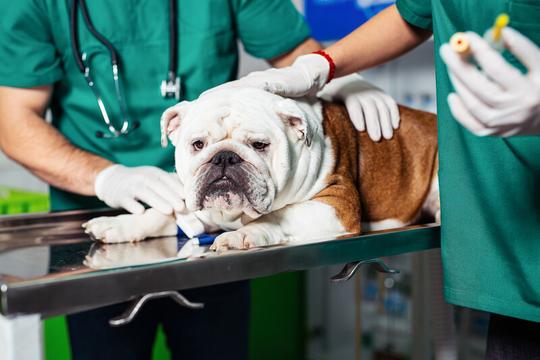
There are three basic types of treatment – surgery, chemotherapy and radiotherapy. Several other new therapies are also sometimes available, such as photodynamic therapy or immunotherapy. Some forms of treatment require frequent visits to your own vet, or to specialists.
Surgery: often chosen for tumors of the skin, or for internal growths that appear to be distinct. The lump removed usually needs to be analyzed to determine if it may have spread. Sometimes with internal growths where the size of the tumor is affecting function, surgery can relieve the symptoms but the risk of recurrence remains. In cases of osteosarcoma (cancer of the bone) limb amputation - though a difficult decision - may be indicated.
Chemotherapy: appropriate for several types of cancer. Veterinary chemotherapy often has few, or no side effects, due to the fact that the relative doses used are smaller than those used in humans. Unfortunately, it does not usually cure the cancer – the aim is to slow the cancer down and reduce the symptoms.
Chemotherapy is sometimes carried out following surgery, especially if it has not been possible to remove the entire cancer, to try to slow down recurrence. It is also used in widespread cancers that cannot be surgically removed, such as those involving the white blood cells (leukemias).
Some types of chemotherapy may be available from your own vet; others are only carried out by specialists. Regular visits to the vet for treatment are usually essential and sedation may be needed during treatment. You may need to give tablets as well. Possible side effects from chemotherapy include a short period of reduced appetite, vomiting or diarrhea. Sometimes the drugs will cause the white blood cell count to drop, which can increase the likelihood of infections, so blood tests are usually taken to check for this during treatment.
Radiation/Nuclear Medicine: available at specialist centers. Again, it does not usually cure, and regular visits are often needed for a period of time. Because your pet needs to be absolutely still for the treatment, a short general anesthetic is given for each treatment.
Cancer Treatments - Common Impacts On Canine Digestive and Immune Systems
Both chemotherapy and radiotherapy may depress your pet's immune system. Some things you can do:
Avoid potential sources of infection such as other animals that may be ill or water or food that may be contaminated.
Feed a diet that is rich in energy and offers high quality sources of protein.
These types of treatment may also damage a pet's digestive system - especially the lining of the gut.
Probiotics may be indicated for a time following treatment
Certain supplements have been shown to aid the lining of the gut.


The Role of Nutrition
Supporting Dogs Receiving Critical or Palliative Care
Canine Biologics’ offers the only fully integrated and cross-balanced Nutrition System for dogs fighting cancer and other critical conditions that combines 100% human grade food, salmon oil and supplements in a home-delivered diet whose major components are kept separate until feeding time.
This unique approach of keeping these separate means that maximum potency is assured.
Special plant supplements, amino acids and certain vitamins don't degrade and thereby offer their best value. These, in turn, may help your dog deal with often debilitating symptoms.
Essential fatty acids can provide major benefits against inflammation - a process common to many critical conditions - but only when they are not allowed to oxidize (go rancid) - Canine Biologics approach of keeping these separate until your dog enjoys them helps assure their efficacy.
Maintaining and enhancing quality of life - running, playing, loving and, yes, eating - is the primary goal of any care plan. Consult your veterinarian about how a high quality nutrition plan may help achieve this goal for your dog.